
Food-grade varnish
Direct food contact safe options for tins used with tea, cookies, coffee, candy, and dry food.
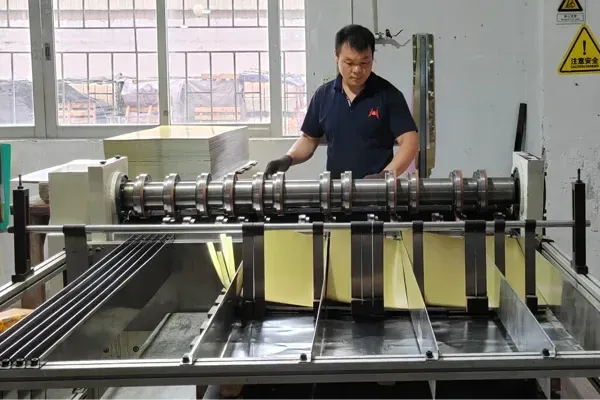
Material science
From standard SPTE tinplate to rust-proof Aluminum 1070, and tactile finishes from spot UV to 3D embossing, we help match the substrate and surface to your product, shelf goal, and budget.
01 / Base substrates
The base metal affects strength, weight, corrosion resistance, forming behavior, and how inks sit on the surface. We source and specify materials around the product category and target market.
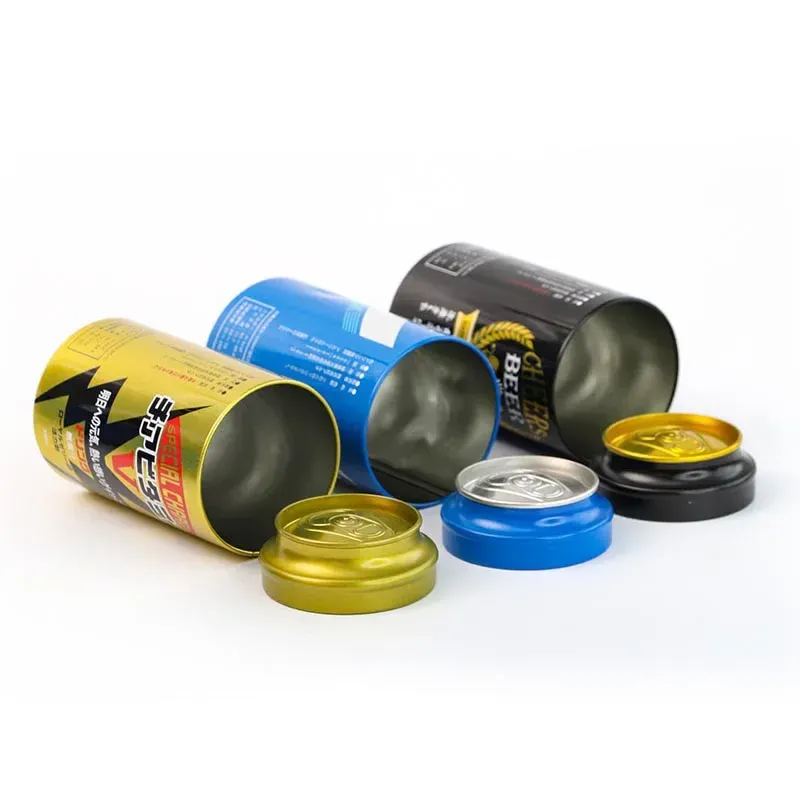 Most popular
Low-carbon steel sheet coated with tin on both sides. It offers excellent ductility, non-toxicity, printability, and cost control for high-volume packaging.
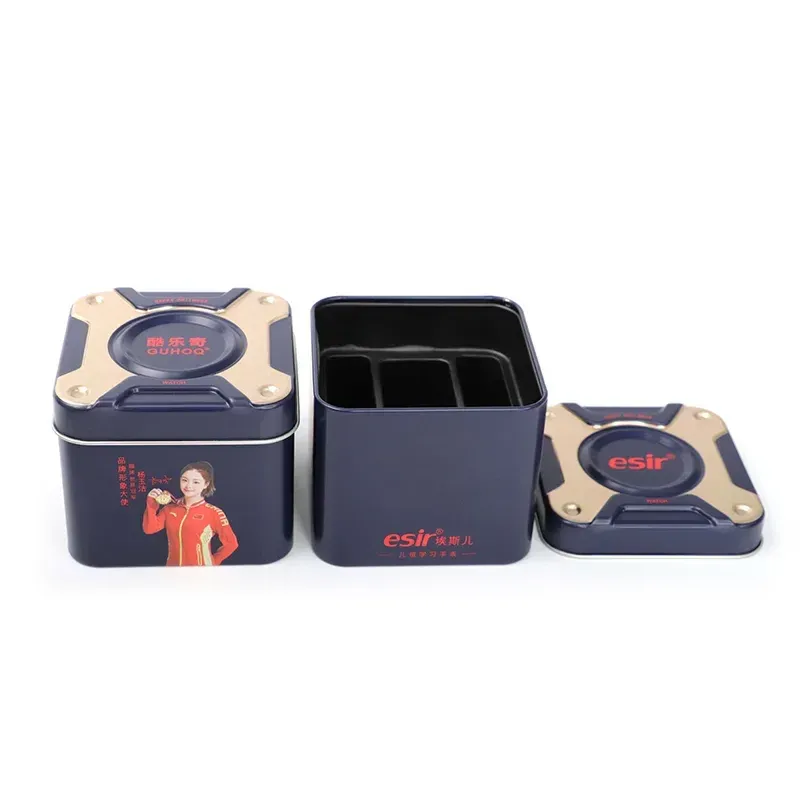
Tinplate processed with a granular matte surface in fine, medium, or coarse textures. It gives the metal a premium tactile feel before printing or coating.
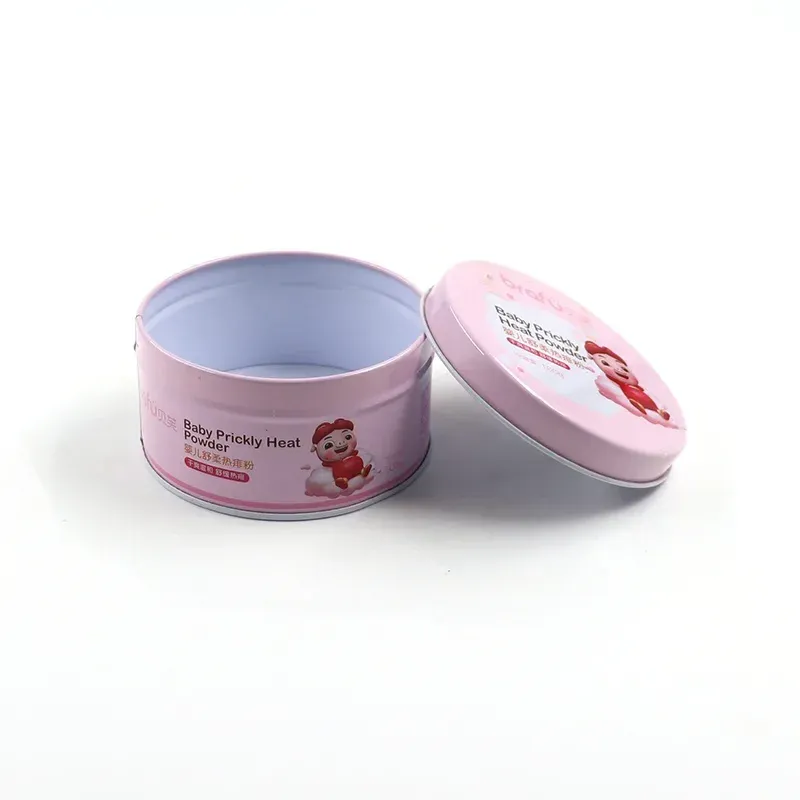 100% rust-proof
Lighter than steel and immune to rust. Aluminum is highly malleable, which makes it suitable for seamless two-piece and deep-drawn container programs.
02 / Coatings & varnishes
After CMYK or Pantone inks are printed on flat sheets, varnishes determine how light interacts with the packaging and how the tin feels in a customer's hand.
A shiny, reflective finish that makes colors appear vibrant and gives retail tins a clean traditional surface.
A non-reflective smooth finish that reduces glare for a quieter, more modern packaging feel.
An ultra-matte coating with a velvety hand feel, often selected for premium cosmetics and electronics.
High-gloss UV applied only to selected artwork areas, such as a logo, over a matte background for contrast.
03 / Structural enhancements
Because tooling and forming decisions are connected early, the tin can carry functional and aesthetic details that paper packaging cannot achieve.
Designs, logos, or text are pressed into the metal surface to create a sculpted detail that catches light and touch.
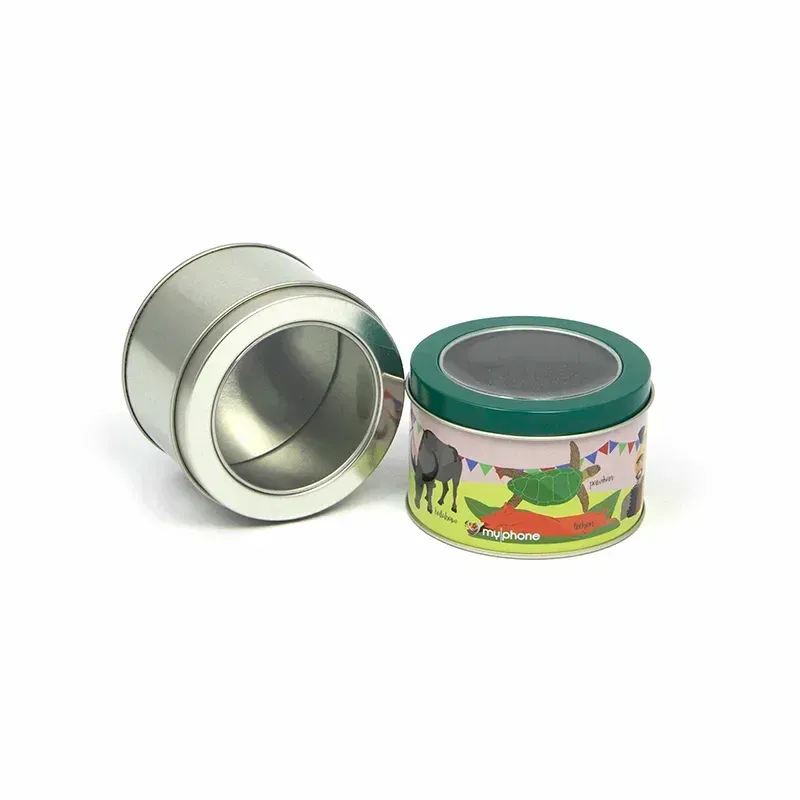
A die-cut opening can be added to the lid, then fitted with clear PET or PVC film for retail display.
Slip lids, plug lids, snap locks, wire hinges, and concealed closures can be engineered around use case and shelf-life needs.
Material consultation
Share product weight, filling method, acidity or moisture concerns, target market, and budget range. Our packaging engineers can suggest a practical substrate and finish route.