
Category-specific engineering
Food tins need barrier protection, beauty tins need finish quality, and industrial tins need insert stability. We shape the structure around the product, not the other way around.
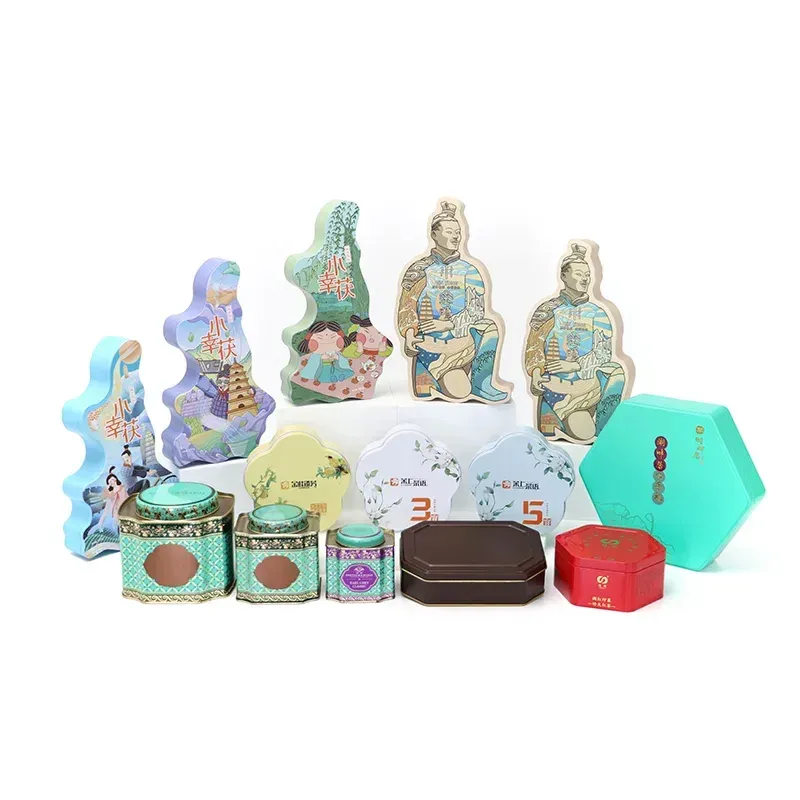
Industry solutions
Food, beauty, gift, and industrial packaging each require different structures, finishes, and protection logic. We match the tin to how your product is sold, handled, and shipped.
How buyers evaluate fit
Serious packaging buyers need more than category names. They want quick proof that the factory understands freshness, corrosion, presentation, insert protection, and export packing before tooling begins.
Food buyers care about aroma retention, dry storage, and compliance. Industrial buyers care about movement, impact, and internal fit.
Moisture, oil, water-based contents, and premium tactile expectations all influence whether tinplate or Aluminum 1070 is the better route.
Retail gift tins, cosmetics, and liquor presentations often depend on embossing, clean color control, and a more distinctive silhouette.
Buyers also want confidence that structure, finish, inserts, and packing can move into sampling and mass production without guesswork.
Core application categories
Instead of showing every category with the same visual weight, we highlight the most common buying paths first, then support them with adjacent use cases that share similar structure logic.
Featured category
FDA-compliant coating optionsTea, coffee, biscuits, mints, chocolate, candy, and dry food all depend on freshness, hygiene, and reliable closures. We support food-grade coatings, airtight plug lids, rolled edges, and retail-ready printing that protects product integrity while strengthening shelf presence.
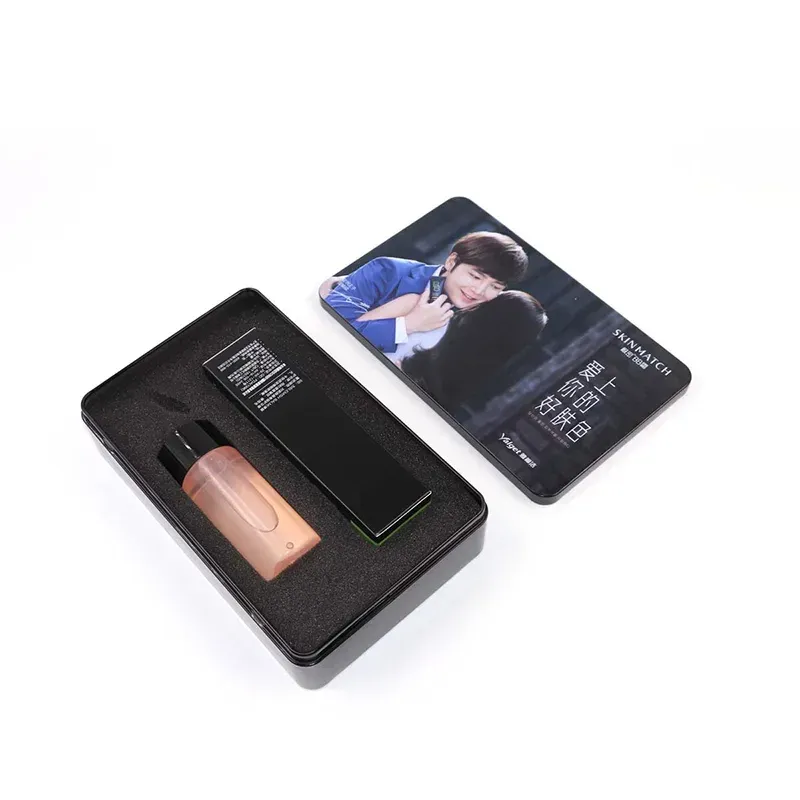
High-touch packaging
Beauty packaging has to feel refined before the customer even opens it. We help cosmetic and wellness brands pair tactile finishes with corrosion-resistant material choices, including Aluminum 1070 for water-based or rust-sensitive formulas.
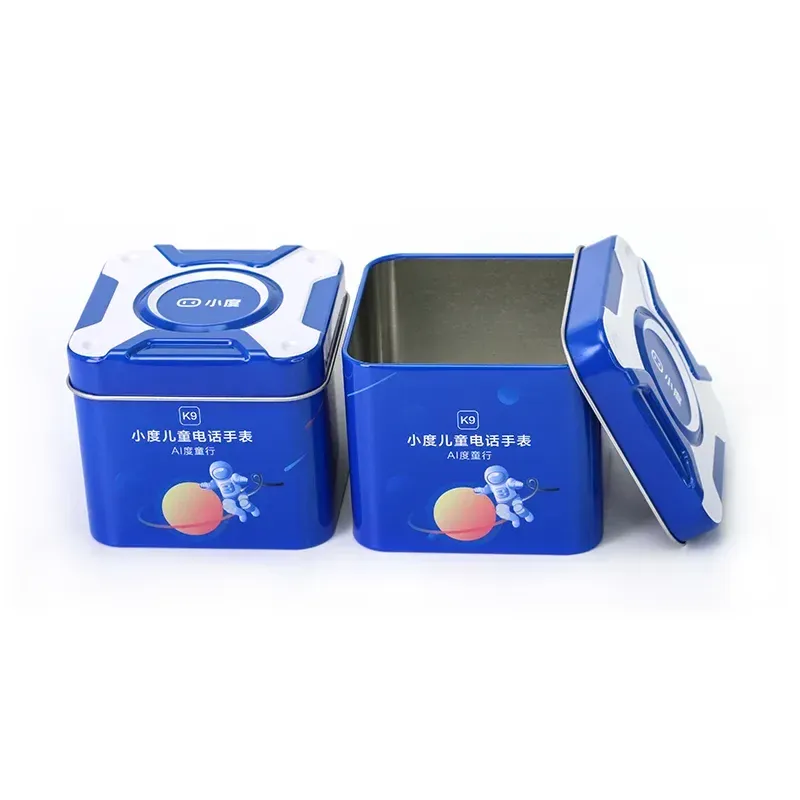
Extended use case
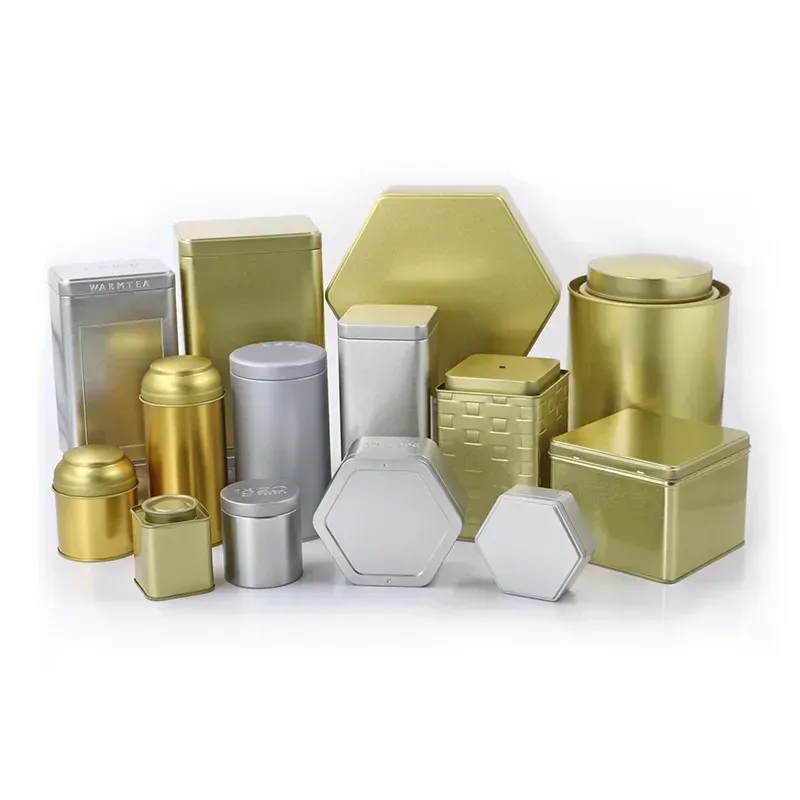
Seasonal tins, licensed promotions, holiday assortments, and corporate gifting programs benefit from strong visual impact and collectible value.
Extended use case
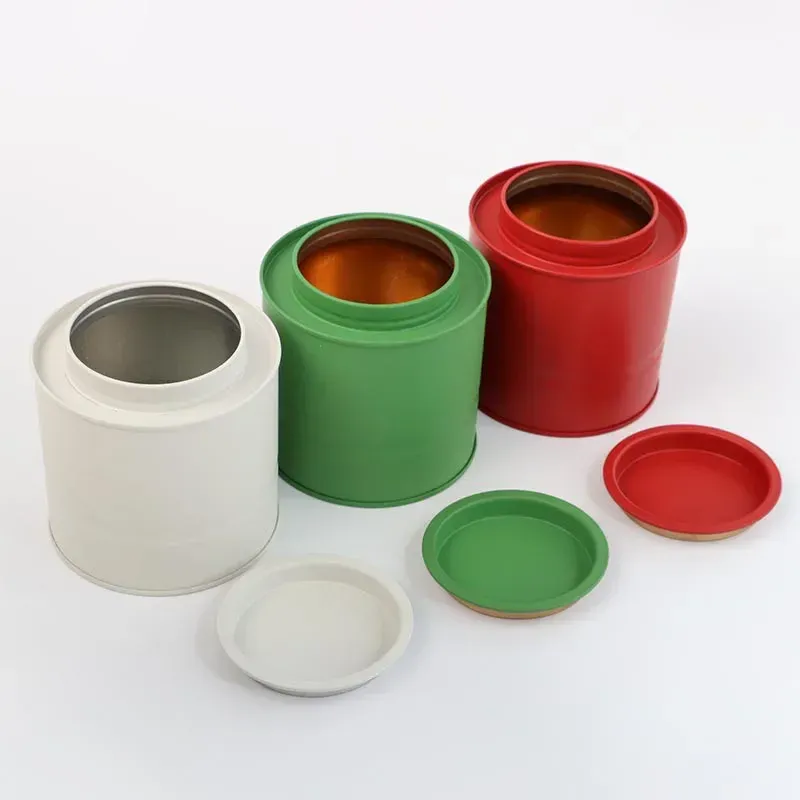
Electronics, tools, kits, accessories, and sample sets need rigid outer protection with a controlled internal fit to reduce movement during shipping.
Extended use case
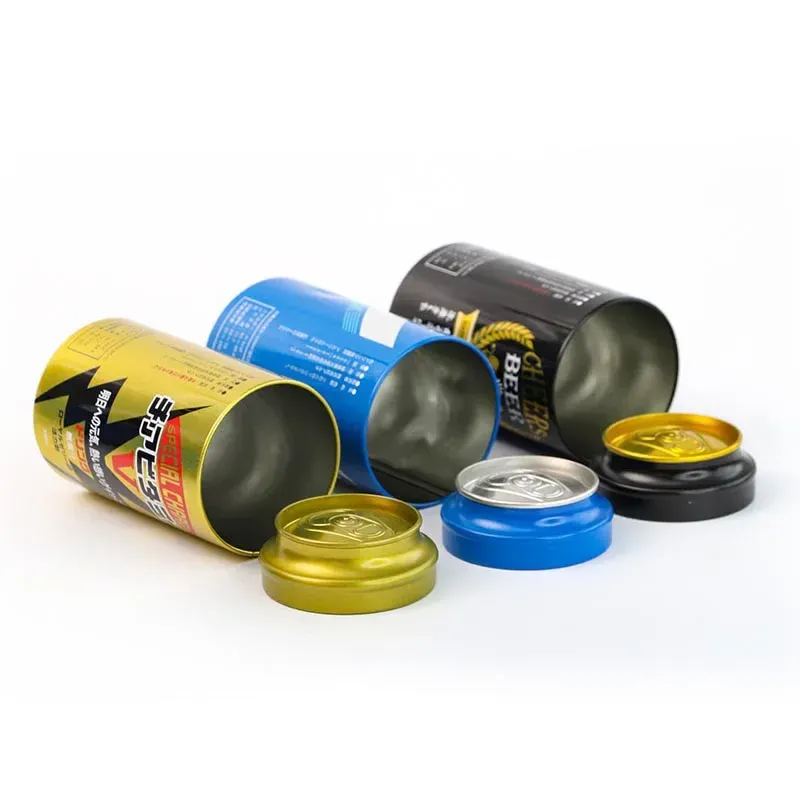
Tall rigid tubes and presentation boxes can help premium bottles command more presence in duty-free, retail, and holiday gifting channels.
Lifestyle and home
Candle tins need heat-aware construction, leak control, and a finish that feels appropriate for lifestyle and home gifting brands.
Application-to-structure logic
A tin that works for loose-leaf tea is not automatically right for a candle, a liquor set, or a Bluetooth accessory. These are the decision areas that usually shift by category.
For tea, coffee, cookies, candy, and dry foods, we usually review sealing method, inner varnish, moisture exposure, and whether direct contact compliance is required.
For cosmetics, salves, and water-based products, material selection matters early. Aluminum 1070 or specific coatings can reduce corrosion concerns and improve long-term presentation.
For retail gift boxes, liquor tubes, and promotional tins, buyers often prioritize embossing depth, color control, metallic effects, and distinctive silhouettes that feel collectible.
For electronics, tools, and industrial kits, the tin shell is only part of the solution. Insert design, drop resistance, and packing method usually determine whether the project performs well in transit.
Internal fit & presentation
For gift sets, electronics, cosmetics, tools, and premium food assortments, insert design can be just as important as the metal shell. We help buyers combine the tin body with the right interior solution so products arrive secure and present cleanly when opened.
A strong choice for electronics, watches, beauty tools, and premium sets where shock absorption and clean presentation both matter.
Useful for biscuits, chocolate, confectionery, cosmetic palettes, and product assortments that need repeatable placement at scale.
A practical route for brands pushing toward lower-plastic packaging systems while still needing structure, separation, and product support.
Project flow
Most successful packaging projects start by defining the product category and usage risks first. Once that is clear, structure and finish decisions become much easier to validate.
We review what you are packing, the filling method, and whether the project needs airtight performance, rust resistance, gift impact, or transport protection.
We propose material options, lid logic, internal fittings, and finish direction based on the application rather than forcing a standard box style.
Printed or structural samples help confirm fit, opening feel, finish quality, and whether the pack will perform in retail, shipping, or both.
Because application needs are defined earlier, tooling, printing, assembly, and packing can move forward with clearer expectations.
Application review
Share the category, dimensions, moisture or corrosion concerns, target quantity, and desired shelf position. We can recommend a practical tin structure, material route, and sample direction based on similar industry projects.